
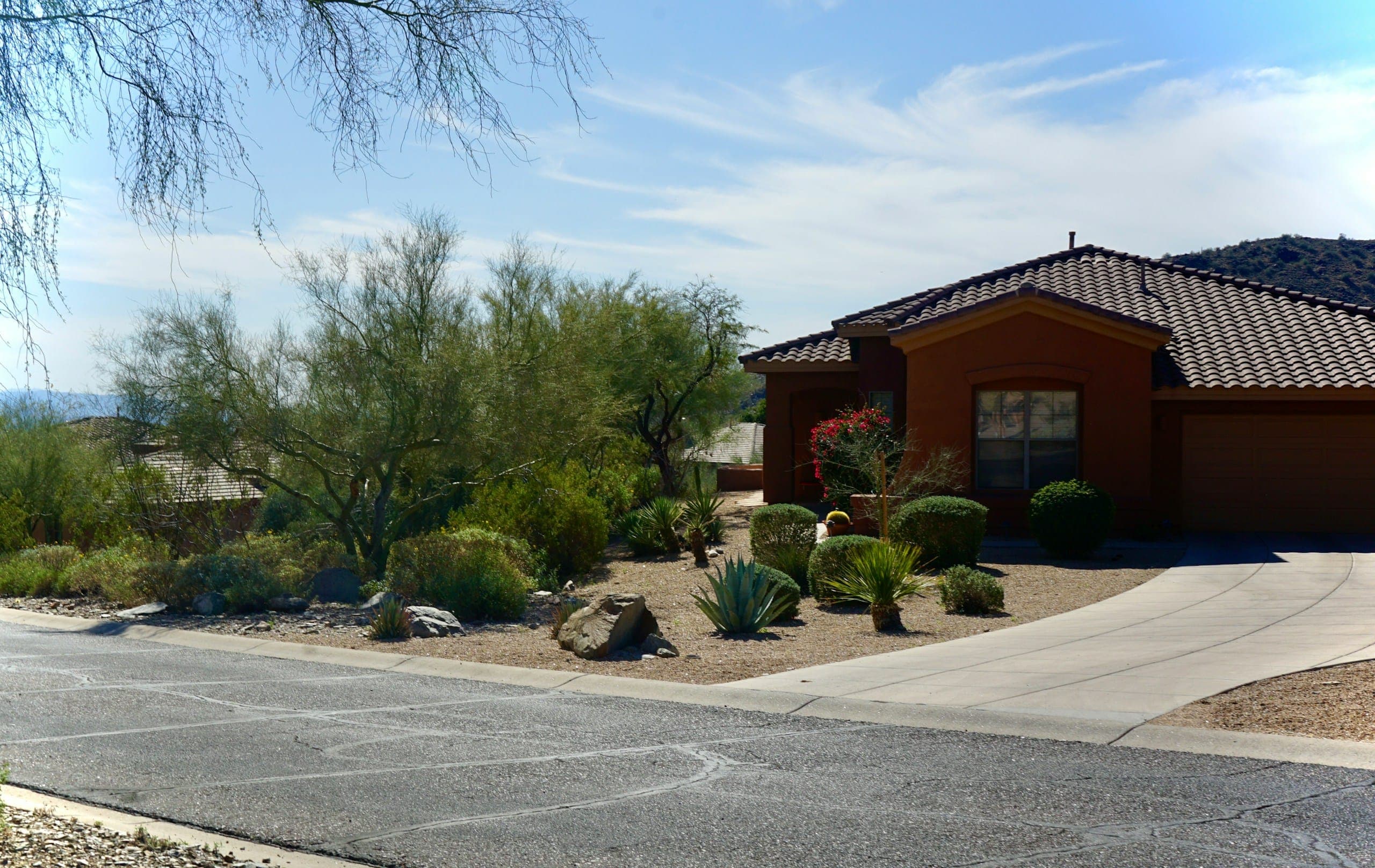

A large share of the homes in the Las Vegas Valley belong to a homeowners association, often called an HOA. Every condominium and many townhomes do, and so do a great many single-family homes in master-planned communities. For some buyers the association is a benefit: shared amenities, maintained common areas, and consistent standards. For others it is a constraint: monthly dues, rules about what you can change, and fines for breaking them.
Neither view is wrong, but both groups benefit from understanding exactly what they are agreeing to before they buy. This guide explains how Nevada common-interest communities work, what documents you should receive, what to look for in the numbers, and which questions can save you from an expensive surprise. It also covers the extra step that condo buyers face when a lender reviews the whole building and not just the unit.
Condo, townhome, or single-family home: what is the difference?
The words condo and townhome are used loosely, but the difference is ownership and responsibility, and it shapes your costs and your risks.
- Condominium. You own your unit, and typically an undivided share of common areas such as hallways, grounds, pools, and sometimes the building structure and roof. The association usually maintains the exterior and common areas, and the association’s master insurance policy typically covers the building in some way, with you responsible for what is inside your unit.
- Townhome. A townhome is a style of attached home. Depending on how the community is set up, you may own the building and the land under it, with the association maintaining shared areas, or you may own only the unit. The details are in the community’s governing documents.
- Single-family home in an HOA. You own the house and lot, and the association governs shared amenities, streets, and design standards. Dues are generally lower than for a condo, because there is less shared structure to maintain.
In all three cases, the association’s documents decide what you can and cannot do, and what you are responsible for paying. Do not assume that two communities that look alike operate alike.
How a Nevada HOA works
In Nevada, homeowners associations and condominiums are governed by a set of state laws for what are called common-interest communities. Each community has governing documents and a board that runs the association.
- The declaration, often called the CC&Rs (covenants, conditions, and restrictions), is the foundational document. It sets out what the owners must and must not do, what the association maintains, and how assessments work.
- The bylaws govern how the association itself operates, including board elections and meetings.
- The rules and regulations are more detailed day-to-day rules adopted by the board, such as parking, pets, and the use of amenities.
- The board of directors is made up of owners and manages the budget, enforces the rules, and hires a management company when the community uses one.
- Assessments, or dues, are the regular charges owners pay to fund operations and reserves. Special assessments may be levied for major repairs or shortfalls.
Some communities have a master association and one or more sub-associations, which means you may pay dues to two separate entities and be subject to two sets of rules. The Nevada Real Estate Division oversees common-interest communities and provides education and an ombudsman’s office for owners. The state’s consumer materials are worth reading before you buy.
The Nevada resale package and your right to cancel
Nevada law gives buyers an important tool. When you buy a resale unit in a common-interest community, the seller must furnish a resale package at the seller’s expense. The statute lists what it must contain, including:
- The declaration, bylaws, and rules and regulations of the association, along with the required information statement.
- A statement of the monthly assessment and any unpaid obligations of the seller, such as fines, transfer fees, and collection costs.
- The association’s current operating budget and year-to-date financial statements, with a summary of its reserves.
- A statement of any unsatisfied judgments or pending legal actions against the association that the owner knows about.
- A statement of transfer fees, transaction fees, or other fees related to the resale.
- A description of the current and expected fees and charges for each unit.
The buyer may cancel the contract in writing until midnight of the fifth calendar day after receiving the resale package, and the purchase contract must say so. Cancellation is without penalty, and money the buyer has paid must be refunded promptly. The cancellation must be delivered in a way the statute allows, such as hand delivery, prepaid mail, or electronic transmission. Once you have accepted a conveyance of the unit, this right is gone, so read the package as soon as you receive it.
The Real Estate Division’s materials add practical details: the association generally has ten calendar days after a written request to furnish the package, and the package generally remains effective for 90 days. If a property sits in a sub-association, the seller must provide a package for both the master and the sub-association.
Calendar the deadline the day you receive it
Your five-day cancellation window runs from the day you receive the resale package, not from the day you ask for it. Note the date, read the documents immediately, and talk to your agent about anything that worries you before the window closes.
What to look for in the numbers
The resale package is full of financial information. You do not need to be an accountant, but you do need to know what to look for.
Monthly dues and what they cover
Ask exactly what the dues pay for. In some condominiums, dues include water, trash, exterior insurance, and building maintenance. In others, they cover very little. Compare the dues to the services you would otherwise pay for yourself, not just to the dues in another community. Also ask how often dues have risen and what the board expects going forward.
The reserve fund
Reserves are money set aside for major future repairs and replacements, such as roofs, paving, pool equipment, and elevators. Nevada requires associations to plan for these items, and the resale package includes a summary of the association’s reserves. A well-funded reserve is a good sign. A thin reserve can mean a special assessment or a sharp dues increase when a large project comes due. Ask what major projects are expected in the next several years and how they will be paid for.
The operating budget and financial statements
Look for whether income covers expenses, how much of the budget is devoted to maintenance versus management, and whether there are large unexplained items. Read the notes, and look for any mention of delinquent owners. A high number of owners who are behind on dues can strain an association’s finances.
Special assessments and litigation
Ask whether any special assessments are planned or in progress, and whether the association is involved in a lawsuit, including a construction defect claim. The package must disclose pending legal actions that the owner knows about. A lawsuit is not automatically a problem, but it can affect the association’s finances and your ability to get a loan.
Rules that affect how you live
The money is only half of the picture. The rules decide whether you can live in the home the way you want to. Read the declaration and the rules and regulations for the following:
- Rental restrictions. Some communities limit or prohibit renting, set minimum lease terms, or cap the number of rentals. This matters a great deal if you may want to rent the home out later.
- Pets. Look for limits on the number, size, or breed of pets.
- Parking. Rules about guest parking, garages, street parking, commercial vehicles, and RVs can be strict.
- Exterior changes. Paint colors, window coverings, landscaping, fences, patio covers, and solar panels often require approval.
- Short-term rentals. Some associations and local governments restrict them, and the rules vary.
- Amenity use and guest policies. Pools, gyms, and clubhouses may have hours, guest limits, and fees.
- Fines and enforcement. Understand how violations are handled, what the fines are, and how you may appeal.
Remember that you are agreeing to these restrictions when you buy. Nevada’s required information statement for buyers says so plainly: you are agreeing to restrictions on how you can use your property, you will pay assessments for as long as you own, and failing to pay assessments can result in the loss of your home through foreclosure.
Financing a condo: why the building matters too
When you buy a single-family home, the lender mostly cares about you and the house. When you buy a condominium, the lender also looks at the health of the entire project, because the value of your unit depends on the association being financially stable.
- Project approval. Certain loan programs require the condominium project to meet specific standards, and some government-backed loans require the project to be on an approved list. A building that is not approved can limit your financing choices.
- Owner-occupancy ratios. Lenders often look at how many units are owner-occupied versus rented, and communities with many rentals can be harder to finance.
- Delinquencies and reserves. A high rate of owners behind on dues, or low reserves, can make lenders hesitant.
- Pending litigation. Active lawsuits against the association can complicate or block financing.
- Insurance. The association’s master policy and your own policy for the unit must work together. Ask your insurance agent what is covered by the association and what you need to cover.
Because of these factors, tell your lender early that you are considering a condo or a home in an HOA, and ask whether the specific project is eligible for the loan you want. Do not wait until you are under contract. Our first-time buyer guide explains the loan types in more detail.
Buying a condo or townhome: a practical checklist
- Talk with your lender first about whether condos and townhomes are eligible for your loan and any project requirements.
- Ask your agent to request the resale package as early as the contract allows, and mark your five-day cancellation deadline when it arrives.
- Read the declaration, bylaws, and rules, especially the sections on rentals, pets, parking, and exterior changes.
- Study the budget, the reserve summary, and the financial statements. Look for rising dues, thin reserves, and delinquencies.
- Ask about planned special assessments, major projects, and any lawsuits.
- Confirm what the dues cover and what you will pay for yourself.
- Check the insurance arrangement and get a quote for your own unit policy.
- Visit the community at different times of day to see noise, parking, and upkeep.
- Walk the grounds and look at the roof, paving, pool, and common areas for signs of deferred maintenance.
- Have the unit inspected, and ask the inspector to note shared systems that affect the unit, such as plumbing stacks, balconies, and walls shared with neighbors.
Living in an HOA: tips for owners
Once you own, you have a voice in how the association runs. A few habits help you get the most from the arrangement.
- Read your governing documents once, and keep a copy where you can find it.
- Pay your dues on time. Unpaid assessments can lead to late fees, liens, and in the worst case foreclosure.
- Get approval before making exterior changes, even small ones, and keep the approval in writing.
- Attend meetings or read the minutes. Decisions about budgets, special assessments, and rules are made there.
- Consider serving on the board or a committee if you have the time. Communities benefit from engaged owners.
- If you have a dispute with the association, learn the association’s process first, and know that the Nevada Real Estate Division offers resources for owners.
Selling a condo or HOA home
If you are on the other side of the transaction, plan ahead. The seller is responsible for furnishing the resale package at their own expense, and the association may charge fees for preparing it and for processing the transfer. Order the package early so it does not delay your closing, check that the information in it is correct, and settle any outstanding fines or dues before you list. Our guide to selling your home in Las Vegas explains the full sequence, and our closing cost guide covers the HOA-related charges that appear at closing.
Frequently asked questions
- How long do I have to cancel after receiving the HOA resale package?
- Under Nevada law, a buyer may cancel the contract in writing until midnight of the fifth calendar day after receiving the resale package. The purchase contract must include a provision to that effect, and the cancellation must be delivered in a manner the statute allows. You lose this right once you accept a conveyance of the unit.
- Who pays for the HOA resale package?
- The unit owner pays for it. Nevada law requires the seller to furnish the resale package at the seller’s expense.
- Can my HOA foreclose on my home?
- Nevada’s required information statement tells buyers that failure to pay assessments can result in loss of the home through foreclosure. That is why it is important to understand your assessments and pay them on time. If you are in difficulty, contact the association early.
- Can I rent out my condo or townhome?
- It depends on the governing documents. Some communities allow renting with conditions, some limit the number of rentals, and some prohibit it. Read the declaration and rules before you buy if renting matters to you.
- Why does a condo sometimes have a harder time getting a loan?
- Lenders look at the condominium project as well as the buyer, including owner-occupancy levels, reserves, delinquencies, and litigation. Some loan programs also require project approval. Ask your lender early whether the specific building is eligible.