
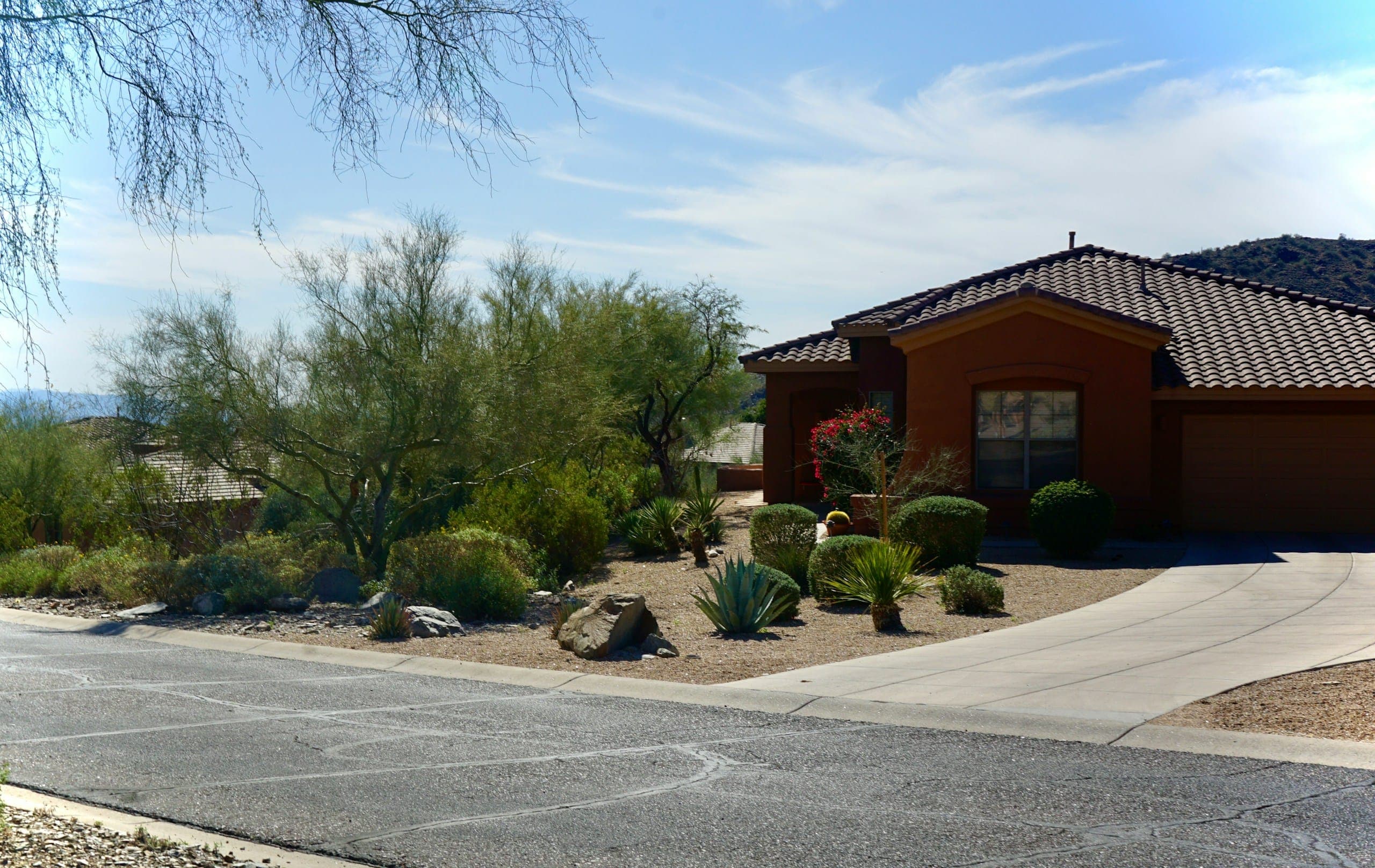

People move to the Las Vegas Valley for many reasons: a new job, a lower cost of living than where they came from, a warmer climate, a change of pace, or a place to retire. Whatever the reason, relocating to a new city while also buying a home is a lot to coordinate, especially when you are doing part of it from far away.
This guide is written for buyers who are moving to Las Vegas from another city or state. It walks through how to plan your research, whether to rent first or buy right away, how a long-distance purchase works in Nevada, what living in a desert climate means for your home and your habits, and what to do in your first weeks after arriving. It is a practical checklist, not a sales pitch, and it can help you avoid the most common surprises.
Start by defining why you are moving and what you need
Before you look at a single listing, get clear about your priorities. A move for a specific job location is very different from a move for retirement, and the answers shape where in the valley you should focus.
- Where will you work, or where will you spend most of your time? Commute time is one of the biggest quality-of-life factors in a large, spread-out valley. If you will be working from home, you have more flexibility.
- What kind of home do you need? Think about size, single-story versus two-story, yard, garage, and whether an HOA is acceptable.
- What is your budget, including the monthly cost? Include property taxes, insurance, HOA dues, and utilities. Our guide to the cost of owning a home in Las Vegas can help you build a realistic number.
- What is your timeline? Do you need to be in place by a certain date for a job or school year, or do you have flexibility?
- What is the plan for your current home? If you are selling elsewhere, the timing and proceeds will affect your purchase here.
Write these down and share them with your agent. A good agent will use them to narrow the search so you do not waste time on homes that do not fit.
Learn how the valley is laid out
The Las Vegas Valley is large, and it includes several cities and many distinct communities. Henderson and North Las Vegas are separate cities, and much of the valley sits in unincorporated Clark County. Master-planned communities, many with HOAs, are common. Newer communities sit toward the edges, while established neighborhoods are closer to the center.
Spend time on our Las Vegas Valley neighborhood guide, which explains how the valley is organized and gives you a framework to compare areas by commute, home type, amenities, and lifestyle. Then use online maps to measure real drive times between the areas you like and the places you will go most often, at the times you will actually go.
Plan a scouting trip that actually answers your questions
If you can visit before you buy, make the trip count. A well-planned weekend or week will answer more questions than months of browsing online.
- Schedule it in advance with your agent. Share your list of priorities, and ask your agent to line up homes to tour in two or three areas, plus a short list of neighborhoods to simply drive through.
- Drive your real commute at real hours. Do it on a weekday morning and evening, not on a quiet Sunday.
- Stay in a residential area, not only on the Strip. A short-term rental in a neighborhood you are considering gives you a feel for daily life.
- Visit grocery stores, parks, gyms, and the places you will actually use. Notice how long it takes to get there.
- If possible, visit during the heat of the summer. It is the best way to learn how you feel about the climate and what a home’s cooling must do.
- Take notes and photos. After a few days of touring, the homes blend together.
- Meet your lender and an inspector if you can. An in-person conversation can make the rest of the process smoother.
Rent first, or buy right away?
Many people who relocate wonder whether to rent for a few months before buying. Both approaches are reasonable, and the right one depends on your situation.
Reasons to rent first
- You are unfamiliar with the valley and want time to learn the areas before committing.
- You are not certain about the job, the school, or how long you will stay.
- You are selling a home elsewhere and need the proceeds before you can buy.
- You would like to experience a Las Vegas summer before choosing a home.
Reasons to buy right away
- You have done your research, know the areas you like, and are confident about your plans.
- You want to avoid moving twice and paying for two moves.
- You have the financing ready and a clear timeline.
- You have found a home that meets your needs, and you are comfortable acting on it.
A middle path is to rent a place for a short term in an area you like, tour homes with your agent while you are here, and make a purchase decision once you have lived through a few weeks of daily routines. If you decide to buy while still living elsewhere, the next section explains how that works.
Buying a home from a distance
Plenty of buyers purchase in Nevada while still living in another state. It is very doable, but it requires planning and clear communication.
- Get pre-approved first. Make sure your lender is licensed to lend in Nevada and understands your situation, including income from another state or employment that is changing.
- Hire an agent you trust and communicate often. Your agent becomes your eyes and ears on the ground. Ask for detailed photos, videos, and honest feedback, not only the listing materials.
- Use video tours, but do not rely on them alone. A live video walkthrough with your agent lets you ask questions and see details such as the condition of the yard, the sun exposure, and nearby surroundings. If you can, visit in person at least once before you make an offer.
- Do not skip the inspection. An inspection is even more important when you cannot visit the house easily. Attend by video, or ask the inspector to walk you through the report by phone. Our article on home inspections in Las Vegas explains what to expect.
- Review disclosures and HOA documents carefully. For most existing homes, the seller must provide a disclosure form, and in an HOA community there is a resale package with its own cancellation window. Calendar those deadlines.
- Arrange signing in advance. Most closing documents can be signed with a mobile notary or at an escrow office near you, if you cannot be in Las Vegas on closing day. Talk to the escrow officer early about timing and how documents will be delivered.
- Protect yourself from wire fraud. Never send money based on emailed instructions alone. Confirm wiring instructions by phone using a number you already trust.
- Plan the final walkthrough. If you cannot attend, ask your agent to do it for you and send a video, and agree in advance on what must be corrected before closing.
Our first-time buyer guide walks through the full purchase process step by step, and our article on closing costs in Nevada explains the charges you will see.
Living in the desert: what changes
A desert climate affects your home, your yard, and your daily routine. None of it is hard, but it helps to know before you arrive.
- Summer heat is a fact of life. Summer daytime temperatures are regularly well above one hundred degrees. Air conditioning is essential, its age and condition matter, and many residents plan outdoor activities for early mornings and evenings.
- Cooling costs matter. Home orientation, shade, window quality, insulation, and a well-maintained cooling system all influence summer utility bills.
- Water is precious. Southern Nevada has strong conservation programs, and many homes use desert landscaping. Ask about water rules, irrigation requirements, and any HOA landscaping standards.
- Sun is hard on everything. Paint, roofing, car interiors, and outdoor furniture all age faster. Window film and shade structures are common.
- Storms can be sudden. Intense summer storms can cause flash flooding, even though the average rainfall is low. Look at drainage around any property you consider.
- Dry air. Expect to drink more water, use moisturizer, and possibly run a humidifier in winter.
- Mild winters. Winters are generally mild compared with many parts of the country, though nights can be cold, so you will still want heat and warm clothing.
When you tour homes, pay special attention to the cooling system, the roof, the windows, and the lot’s sun exposure. These are the features that matter most in this climate.
A city that never quite sleeps
Las Vegas is a 24-hour city, and that affects the rhythm of daily life. Some residents work late shifts, shops and restaurants keep long hours, and traffic patterns differ from a typical nine-to-five city. Neighborhoods vary a great deal. Some are quiet, family-oriented areas, while others sit near busy corridors or entertainment districts. If noise or light is important to you, visit the area at night before you decide.
Taxes, utilities, and setting up your household
A few practical items are easy to overlook until moving day.
- Taxes. Nevada does not have a state personal income tax, which many newcomers find attractive. The state does collect sales tax, and property taxes apply to real estate. Talk to a tax professional about how your move affects your overall situation.
- Property taxes. Nevada assesses property at a percentage of its taxable value and limits increases on an owner-occupied primary residence through a tax cap. Our guide to the cost of owning a home explains how this works.
- Electricity and natural gas. Utility service depends on where you live. Your agent or the escrow company can help you identify the providers for your address, and you can usually schedule start-of-service for your closing date.
- Water and trash. The water provider depends on the city or area, and trash service may be provided by the city or arranged separately. Confirm for your address.
- Internet and phone. Check which providers serve your address, and schedule installation ahead of your move.
- Driver’s license and vehicle registration. Nevada has rules and deadlines for new residents, and vehicles in the valley may need emissions testing. Check the Nevada DMV’s current requirements shortly after you arrive.
- Schools and healthcare. If you have children, confirm school zoning directly with the school district rather than relying on a listing. Look up doctors and other providers that accept your insurance before you need them.
- Address changes and voter registration. Update your address with the post office, your banks, your insurers, and the agencies you deal with.
Moving day in the heat
A summer move in Las Vegas takes a bit more planning than a move in a cooler place.
- Book movers early. Peak moving times fill up, especially at the end of the month and on weekends.
- Ask your movers how they handle items that are sensitive to heat, such as electronics, candles, wine, medications, and plants.
- Start early in the morning to avoid the hottest part of the day, and keep water on hand for everyone helping.
- Make sure the air conditioning is working and running in your new home before you move in, and ask the seller to confirm the system is operating properly during the final walkthrough.
- Keep important documents, medications, jewelry, and valuables with you rather than on the truck.
- Take photos of the empty home on closing day and note any issues in writing.
Your first month checklist
- Change the locks and garage door codes, and ask the previous owner for all remotes and manuals.
- Locate the main water shut-off, the electrical panel, and the air conditioning filter, and set reminders to replace filters.
- Schedule an air conditioning tune-up if one has not been done recently, especially before summer.
- Review your homeowners insurance and confirm the lender has the policy.
- Set up your property tax and HOA payment accounts and note the due dates. Our cost guide lists the Clark County installment schedule.
- Register your vehicles and update your driver’s license according to Nevada’s requirements.
- Introduce yourself to neighbors and learn about trash days, quiet hours, and local rules.
- Walk the neighborhood and find the nearest grocery, pharmacy, urgent care, and park.
- File away your closing documents and inspection report, since you will need them for taxes and a future sale.
Common relocation mistakes
- Buying based on photos and an online map without ever driving the commute or seeing the area at different times.
- Underestimating summer utility costs, especially for large homes with older cooling systems.
- Skipping the inspection because the house is far away or the market feels competitive.
- Forgetting HOA rules and dues, then discovering that the rules do not fit the way you live.
- Not coordinating the timing of your sale elsewhere with your purchase here.
- Waiting until the last minute to book movers, set up utilities, and arrange signing.
Frequently asked questions
- Can I buy a house in Las Vegas without visiting first?
- Yes, many buyers do. It works best with an agent you trust, detailed video tours, an inspection you attend by video or phone, and careful review of disclosures and HOA documents. If you can visit in person at least once, even briefly, it is worth the trip.
- Does Nevada have a state income tax?
- Nevada does not have a state personal income tax. The state does collect sales tax, and real estate is subject to property tax. Speak with a tax professional about how your move affects your situation.
- Should I rent before I buy when moving to Las Vegas?
- It depends on your confidence in the move. Renting for a short period gives you time to learn the valley and experience the climate, while buying right away can save you from moving twice. Your agent can help you weigh the options for your situation.
- How hot does it get, and how does that affect a home purchase?
- Summer daytime temperatures are regularly well above one hundred degrees, so the condition of the cooling system, the roof, the windows, and the lot’s sun exposure matter a great deal. Ask for maintenance records and have the system evaluated during your inspection.
- How do I sign closing documents if I am out of state?
- Most documents can be signed with a mobile notary or at an escrow office near you, coordinated by the escrow officer in Nevada. Talk to the escrow company early about timing, and verify wiring instructions by phone to protect yourself from fraud.