The Las Vegas Valley is a large, sprawling basin ringed by mountains, and it contains several cities, dozens of master-planned communities, and many distinct neighborhoods. For someone new to the area, or even for a longtime resident considering a move across town, it can be hard to know where to begin.
This guide does not rank neighborhoods or tell you where you should live. The best area depends on your budget, your commute, the kind of home you want, and how you like to spend your time. Instead, it explains how the valley is organized, introduces the main areas and what they are generally known for, and gives you a practical framework for comparing them and visiting them in person.
How the Las Vegas Valley is organized
When people say Las Vegas, they usually mean the entire urbanized valley, but that valley is actually governed by several jurisdictions. The City of Las Vegas covers much of the central valley and the downtown core. Henderson is its own city to the southeast. North Las Vegas is its own city to the north. A large portion of the valley, including areas along and around the Strip, sits in unincorporated Clark County. Boulder City, a smaller community southeast of the valley, is a separate city as well.
Why does that matter for a home buyer? Because the jurisdiction determines which agency handles building permits, zoning, code enforcement, trash service, and local services. It can also affect utility providers and fees, and it is worth confirming for any specific address. Your agent can verify the jurisdiction and the details that apply to a property you are considering.
The valley’s growth has generally pushed outward from the central core. Closer-in areas tend to have older homes on established lots, while the edges of the valley contain more recently built communities with newer floor plans, planned parks, and amenities. Neither is better; they offer different trade-offs in price, home age, lot size, and convenience.
What is a master-planned community?
Many Las Vegas Valley neighborhoods are part of master-planned communities. A master-planned community is developed under a long-term plan that sets aside land for homes, parks, trails, schools, retail, and sometimes golf courses or community centers. Within a large master plan there are usually smaller neighborhoods, sometimes gated, each with its own builder, home styles, and rules.
Living in one often means:
- An HOA. Most master-planned neighborhoods have homeowners associations with monthly or quarterly dues. Dues pay for common areas, landscaping, and amenities, and they vary widely from one community to the next.
- Design standards. Associations typically regulate exterior paint colors, landscaping, fencing, parking, and sometimes rentals. Read the governing documents before you commit.
- Shared amenities. Parks, pools, trails, and community centers are common, though the specific amenities depend on the community.
- Consistency. Many buyers appreciate the uniform appearance and maintenance standards, while others prefer neighborhoods without association rules.
Not every area is master-planned. Older neighborhoods and many parts of the valley have no HOA at all, which gives owners more freedom and often lower monthly costs, but fewer shared amenities. If you are comparing both kinds, our guide to buying your first home in Las Vegas explains what to review in HOA documents.
The main areas of the valley at a glance
The summaries below are general orientation, not rankings or promises. Character, home types, and prices vary within every area, and they change over time. Treat this as a starting list for your own research and ask your agent for current details on any area.
Summerlin and the northwest
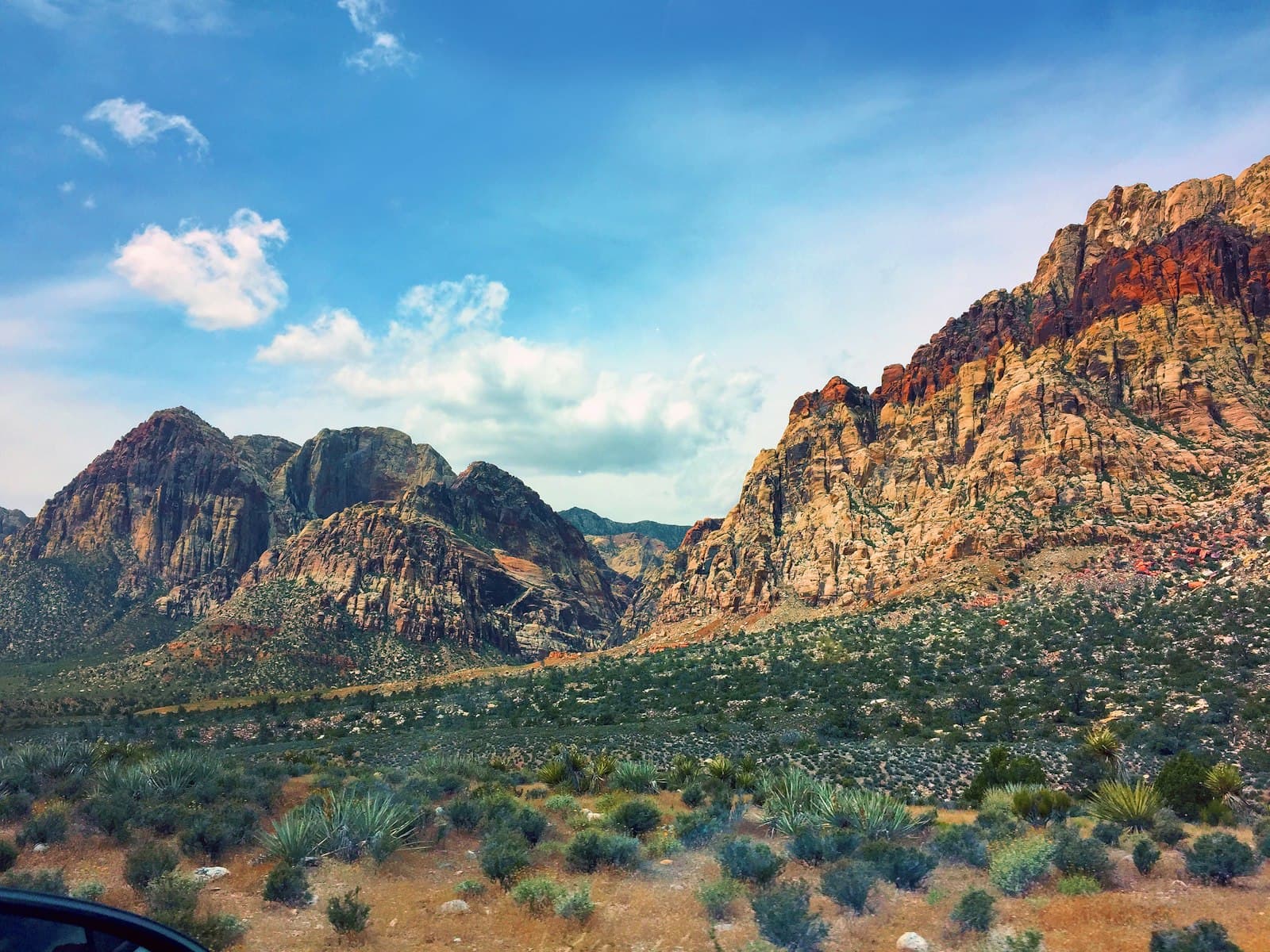
Summerlin is one of the valley’s best-known master-planned communities, located on the western side of the valley near the Red Rock Canyon area. It contains many individual villages and neighborhoods with a wide range of home styles, and it is known for its parks, trails, and access to the nearby mountains. Farther north and west are additional newer communities, including areas around Centennial Hills and Skye Canyon, where buyers will find a range of newer construction.
Henderson
Henderson is a separate city southeast of Las Vegas with its own government and services. It includes a mix of established neighborhoods and newer master-planned communities, among them areas such as Green Valley, Anthem, Seven Hills, and Inspirada, as well as the resort-style community of Lake Las Vegas. Many buyers look at Henderson for its range of community options, parks, and trail systems.
Southwest Las Vegas and Enterprise
The southwest and the area south of the Strip, including the Enterprise area, have seen substantial newer development. Communities such as Mountain’s Edge and Southern Highlands offer newer homes with planned parks and amenities. Buyers who work along the southern end of the valley or who want newer construction often start their search here.
Spring Valley, Rhodes Ranch, and the west side
West of the Strip and south of Summerlin, areas such as Spring Valley and Rhodes Ranch offer a mix of established neighborhoods, condos and townhomes, and single-family homes, with convenient access to major roads and shopping. They are popular with buyers who want a centrally located option without moving to the far edge of the valley.
North Las Vegas
North Las Vegas is its own city and has seen a great deal of new construction, including master-planned communities such as Aliante. Buyers who are interested in newer homes, larger floor plans, or a lower price per square foot often compare it with other parts of the valley. As always, current prices and inventory can only be confirmed with fresh market data.
Central Las Vegas, Downtown, and established neighborhoods
The central valley includes historic neighborhoods, mid-century homes, and a growing downtown with condos and townhomes near restaurants, arts venues, and entertainment. Older areas typically offer mature trees, larger lots, and distinctive architecture, along with the maintenance considerations that come with older homes, such as aging plumbing, electrical, and cooling systems.
Boulder City and surrounding communities
Boulder City, southeast of the valley, is a small, separate city with its own character, and it is known for limiting growth. Buyers who want a smaller-town atmosphere with a drive to the valley sometimes look here. Other outlying communities offer more space and a more rural feel, with longer commutes.
How to compare neighborhoods: seven factors that matter
Instead of asking which area is best, ask which area fits your life. These seven factors give you a framework to compare any neighborhoods fairly.
- Commute. Drive your actual route at your actual commute times. A route that looks short on a map can be slow at rush hour. Consider where you work, where your family lives, and where you shop and see friends.
- Home type and age. Newer homes tend to have modern floor plans and efficient systems, while older homes may have larger lots and character. Decide whether you want a single-family home, a townhome, or a condo, and whether you are comfortable with an HOA.
- Total monthly cost. Compare the full payment, including HOA dues, property taxes, insurance, and utilities, not only the list price. A lower price in one area can be offset by higher dues or longer commuting costs.
- Lot size and outdoor space. Think about a yard, a pool, RV parking, or covered patios, and whether the community allows what you want.
- Amenities and lifestyle. Parks, trails, golf, recreation centers, shopping, dining, and entertainment all differ by area. Pick the ones you will actually use.
- Schools, if they matter to you. School attendance zones can change, so verify them with the school district directly instead of relying on a listing or an advertisement.
- Future development. Ask what is planned nearby, such as new roads, commercial centers, or additional phases of the community, because that can affect traffic, noise, and views.
Desert living factors that affect every neighborhood
Some factors apply across the valley, and they should shape how you evaluate any home.
- Sun exposure. The direction a home faces affects how hot it gets and how much your cooling costs. Back patios that face west can be harsh in summer without shade. Look at the lot orientation as well as the floor plan.
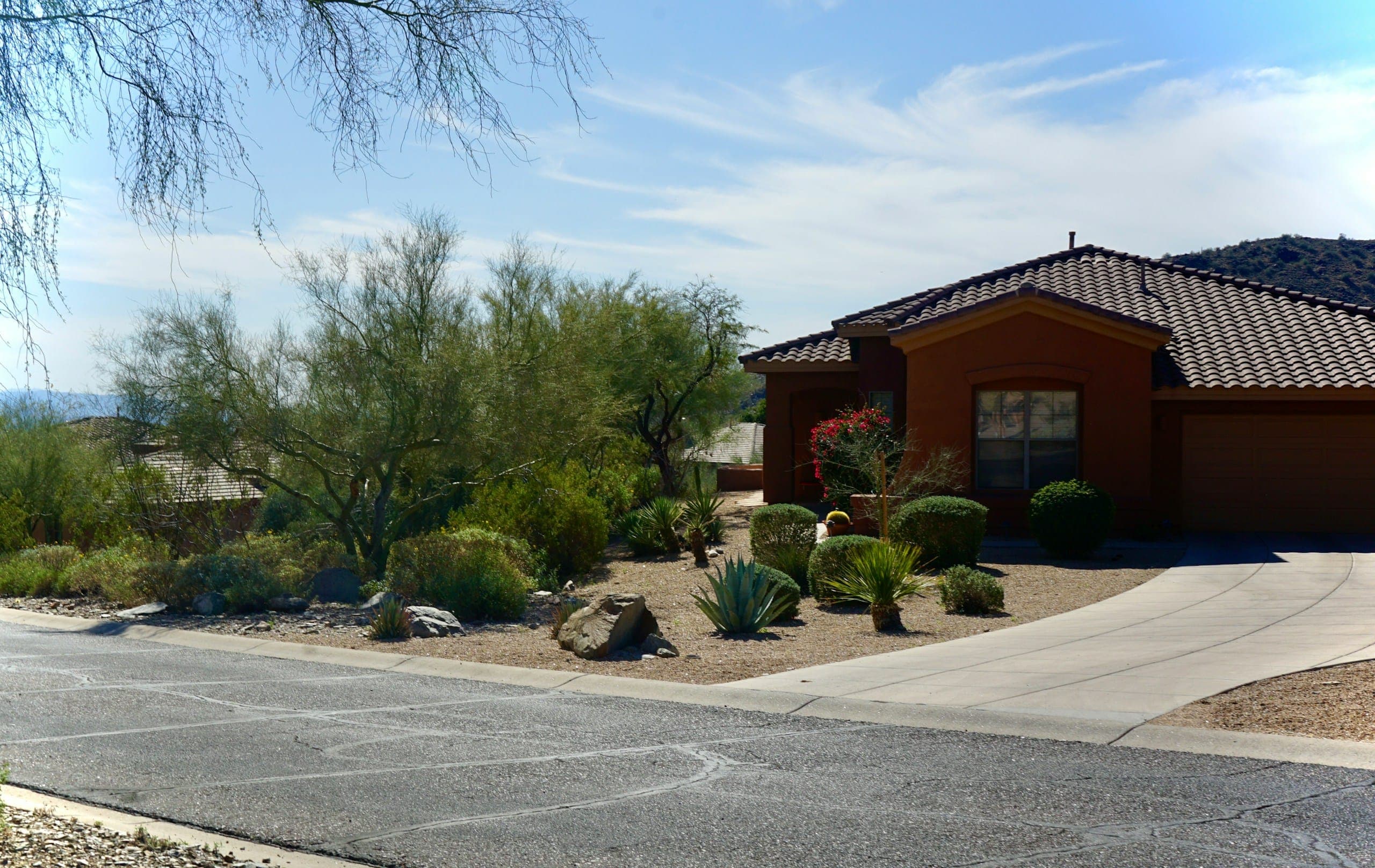
- Water and landscaping. Southern Nevada has strong water conservation rules and incentives. Desert-friendly landscaping is common, and associations or local agencies may have requirements about turf and irrigation. Ask about water costs and any landscaping rules.
- Flood and drainage. Even in a dry climate, intense storms can send water through washes and drainage channels. Ask your agent to check flood zone information and look at how water drains around the property.
- Soil and foundations. The valley’s soils can present challenges for foundations, driveways, and pool decks. A thorough inspection helps you spot cracking or settlement.
- Heat tolerance of the property itself. Roofs, windows, and cooling systems all work harder here, so pay attention to their age and condition.
A note about fair housing and neighborhood information
Real estate professionals are bound by the Fair Housing Act, which prohibits discrimination based on race, color, religion, sex, disability, familial status, and national origin, and Nevada law adds further protected classes. Because of that, a responsible agent will not steer you toward or away from neighborhoods based on who lives there, and will not characterize an area by its residents.
What a good agent can do is share objective information: housing types, prices, commute routes, amenities, HOA rules, and where to find official data. For topics such as school quality or crime, we encourage you to consult the official sources directly, including the school district and local law enforcement, and to visit the areas yourself. You will get the most reliable picture from your own research, backed by your agent’s knowledge of the process.
How to tour a neighborhood like a local
A listing can tell you about a house. Only a visit can tell you about the neighborhood. Before you decide, spend time in the area, ideally more than once.
- Visit on a weekday morning, a weekday evening, and a weekend afternoon to see traffic, noise, and activity.
- Walk the streets, look at how well homes and common areas are maintained, and notice parking and street lighting.
- Drive to the nearest grocery store, gas station, park, and the freeway on-ramp you would use.
- Look at the surroundings of the specific lot: neighboring homes, power lines, nearby commercial uses, and any open land that might be developed.
- Talk with residents if the opportunity comes up. Ask what they like and what they wish were different.
- Test the cell and internet coverage you rely on, especially at the edges of the valley.
Tip for relocating buyers
If you are moving from out of state, plan a visit in the heat of summer if you can. Seeing what a July afternoon feels like helps you decide whether the climate, the landscaping, and the home’s cooling needs fit your expectations.
Narrowing your list and getting local help
A practical way to narrow the field is to start with three or four areas that meet your must-haves for budget and commute, tour one or two homes in each, and notice how each feels. Then compare the total monthly cost and ownership details for the best candidates. Your priorities often become clear after you see them in person.
Karla and Patrick Lyons lead a locally owned brokerage that serves the entire Las Vegas Valley, and Patrick has lived in the valley for more than fifty years. If you would like help comparing areas, understanding HOA rules, or finding homes that fit your budget and your life, we are glad to talk it through. Learn more about our services or call us at (702) 379-9768.
This guide is a general overview for educational purposes. Neighborhood boundaries, amenities, and market conditions change, so confirm current details for any area or property before making a decision.
Frequently asked questions
- Which part of Las Vegas is best for families?
- There is no single answer, because families have different needs. Many families focus on school zones, parks, commute times, and home size. We recommend verifying school zoning with the school district, visiting areas in person, and comparing the total monthly cost, then using those facts to decide what fits your household.
- Is Henderson part of Las Vegas?
- Henderson is a separate city that sits southeast of Las Vegas within the same valley. It has its own government and services, though the two are closely connected and many residents commute between them.
- Do all Las Vegas neighborhoods have HOAs?
- No. Many master-planned communities and newer developments do, but many older neighborhoods do not. Each HOA sets its own dues and rules, so review the documents for any property you are considering.
- Are newer or older homes a better choice in the valley?
- Each has advantages. Newer homes tend to have modern layouts and efficient systems, while older homes may offer larger lots and established landscaping. In either case, the age of the cooling system, roof, and plumbing matters more than the year on the listing, so get a thorough inspection.
- How can I find out about flood zones for a property?
- Ask your agent to check the property’s flood zone designation using official maps, and review the seller’s disclosure and the inspection report. Drainage around the lot and nearby washes are also worth examining in person.