
Selling a home is more than putting a sign in the yard. The price you list at, the condition you present, the way the property is marketed, and how you handle offers and deadlines all shape what you walk away with. Sellers who understand the process in advance tend to make better decisions and feel far less stress along the way.
This guide covers the full journey of selling a home in the Las Vegas Valley, from the first conversation about pricing to the day escrow closes. It includes the Nevada-specific disclosure rules you need to know, the preparation steps that make the most sense in a desert climate, and the mistakes that most often cost sellers time or money.
Start with your goals and your timeline
Before you talk about price, get clear on why you are selling and what success looks like. Some sellers need the highest possible price and can wait for it. Others have a job relocation, a purchase of their next home, or a life event that makes timing the priority. Neither goal is wrong, but they lead to different strategies for pricing, preparation, and negotiation.
Write down the answers to a few questions so your agent can plan around them:
- When do you need to be out, and how flexible is that date?
- Are you buying another home, and does the purchase depend on the proceeds from this sale?
- How much do you still owe on the mortgage, and are there any liens or other claims on the property?
- What is the minimum you need to net after costs for the sale to make sense?
- Is the home occupied, vacant, or tenant-occupied? Tenants and vacancies change how showings work.
Knowing your net proceeds target early is especially useful. Your agent can prepare an estimated net sheet that shows what you would receive at different sale prices after the loan payoff, commissions, taxes, and closing costs. Our article on closing costs in Nevada explains each of those line items.
Price it right from day one
Pricing is the single most important decision in a sale. A home that is priced in line with the market attracts the largest pool of buyers during the first couple of weeks, when interest and showings are highest. A home priced too high tends to sit, and a listing that has lingered often ends up selling for less than it would have if it had been priced correctly in the first place.
Use a comparative market analysis
Your agent will prepare a comparative market analysis, often called a CMA, using recent sales of similar homes nearby. Good comparables share the same general location, size, age, style, and condition. The most useful sales are the most recent ones, because they reflect today’s buyers and today’s lending conditions. Pending and active listings tell you what your competition looks like right now.
Adjust for the details that matter
No two homes are identical, so comparables are adjusted for differences. In the Las Vegas Valley, features that commonly affect value include lot size, a pool, solar ownership versus lease, the age of the air conditioning system and roof, upgrades to the kitchen and bathrooms, the view, and whether the home sits inside a homeowners association and what that association provides.
Online estimates and automated valuations
Online estimates can be a helpful starting point, but they cannot see the inside of your home, your upgrades, or the condition of your systems. Treat them as a rough indicator, not a price. An agent who has toured comparable homes and negotiated recent sales will give you a more reliable range.
Remember the appraisal
If the buyer is using a loan, the lender will order an appraisal. If your price is higher than the appraiser can support with comparable sales, the deal can stall or be renegotiated. Realistic pricing at the start helps avoid that late-stage surprise.
Prepare the home for the desert and for buyers
You do not need to renovate your home to sell it. You do need to remove reasons for a buyer to hesitate. Preparation is about first impressions, condition, and confidence, and it should be matched to what your price range and local buyers expect.
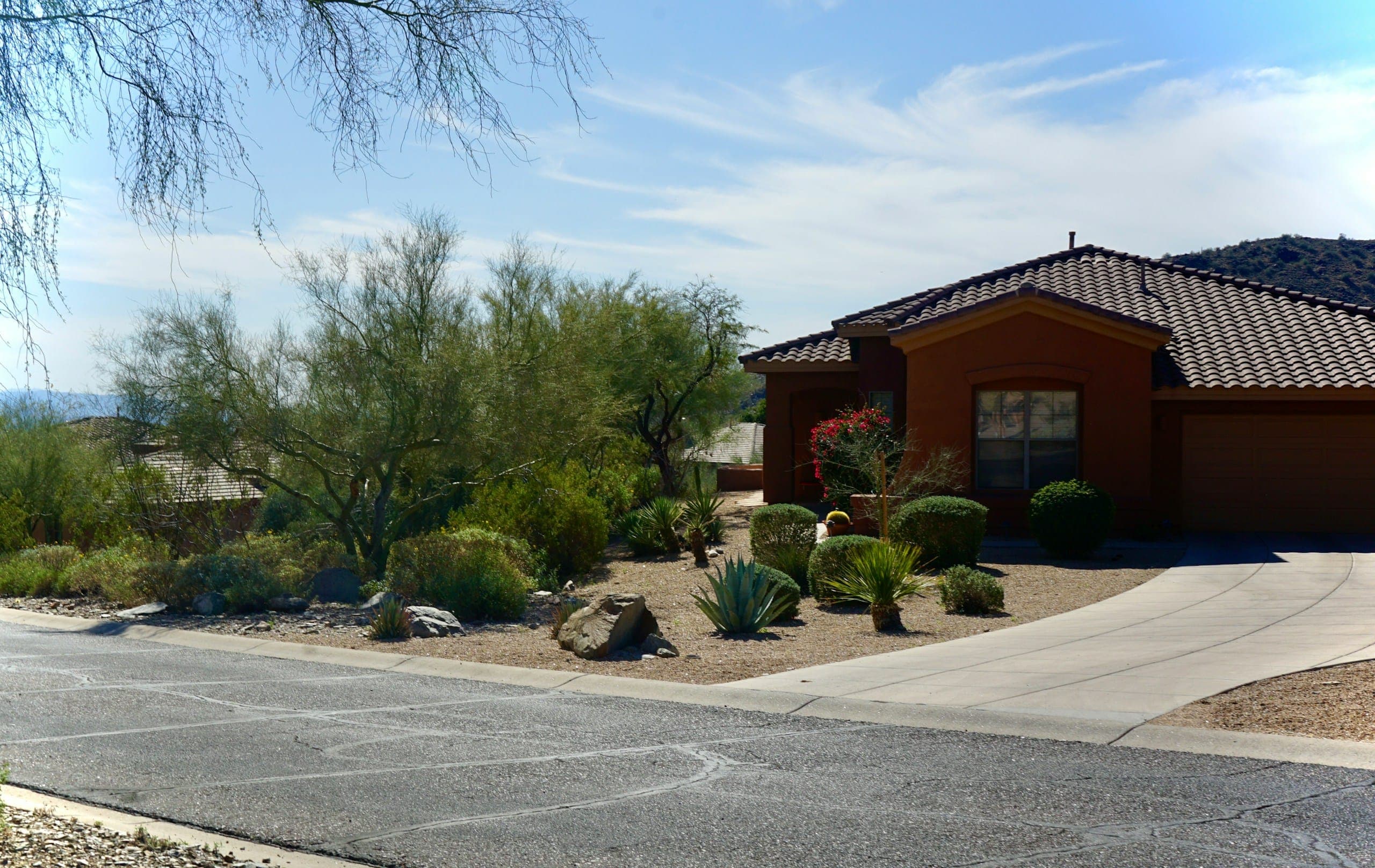
Curb appeal in a desert setting
- Keep the front landscaping tidy: remove dead plants, refresh rock or mulch, trim shrubs, and make sure irrigation lines are not broken or visibly leaking.
- Clean and, if needed, repaint the front door, garage door, and trim. Sun exposure fades paint faster than many owners realize.
- Power wash the driveway, walkways, and exterior walls, and replace worn house numbers, light fixtures, or a damaged mailbox.
- Address visible stucco cracks, damaged roof tiles, or peeling paint, since those details influence a buyer’s impression of how the whole home has been maintained.
Mechanical systems buyers will ask about
In Southern Nevada, the cooling system is the first thing many buyers ask about. Having the air conditioning serviced before you list, and keeping the paperwork, tells buyers the system has been cared for. The same goes for the water heater, the pool equipment if you have a pool, and the roof. A service receipt is inexpensive compared with the negotiating leverage a surprise defect can hand to a buyer.
Inside the home
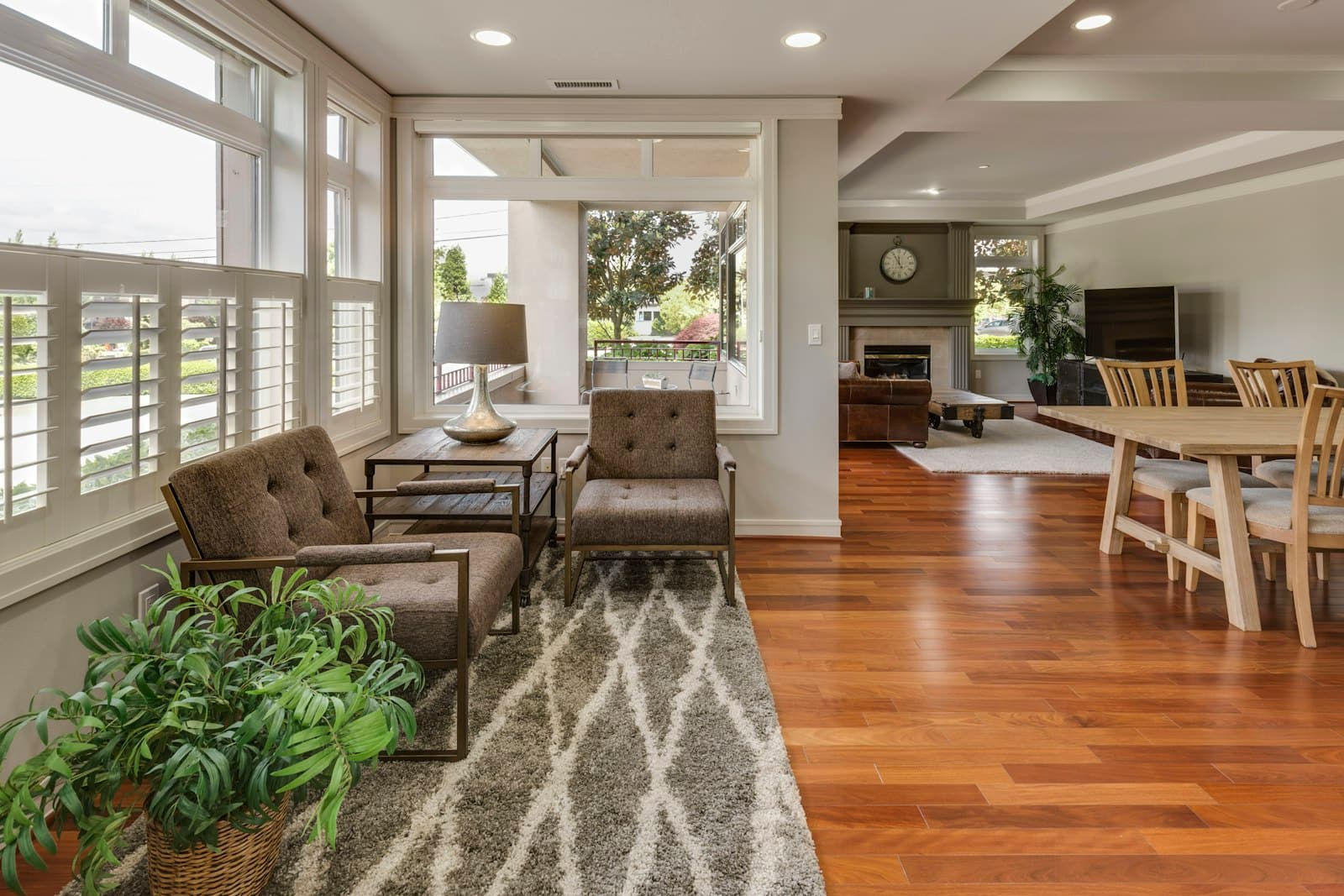
- Declutter aggressively. Buyers need to picture their own belongings in the space, and fewer items make rooms look larger.
- Deep clean, including windows, baseboards, grout, and appliances.
- Touch up scuffed walls and consider a neutral paint color if the current colors are bold or very personal.
- Fix the small things: dripping faucets, loose handles, burned-out bulbs, sticking doors, and cracked outlet covers.
- Maximize natural light by opening blinds and curtains, and make sure every light fixture works for showings and photos.
Your agent can help you decide which projects earn their cost back and which do not. A pre-listing inspection can also be a smart investment. It lets you find and fix, or at least price in, issues on your own terms rather than discovering them in the middle of a negotiation.
Gather your paperwork before you list
Organized sellers close faster. Collect these items early so nothing slows you down once an offer arrives:
- Your most recent mortgage statement and the lender’s contact information, so a payoff can be ordered quickly.
- Property tax information and any recent assessment notices.
- HOA contact information, governing documents, and details on dues and any pending assessments.
- Warranties, manuals, and service records for the roof, air conditioning, appliances, and pool equipment.
- Records of permitted improvements or repairs, and any information about solar panels, including whether they are owned or leased and the lease or loan documents.
- A list of known issues and past repairs. You will need it to complete the seller’s disclosure honestly and completely.
Nevada disclosures: what sellers must provide
Nevada law requires sellers of most existing residential properties to complete a Seller’s Real Property Disclosure form describing the condition of the property and any known defects, and to deliver it to the buyer at least ten days before the sale closes. The seller must complete the form personally. A real estate licensee who is not the owner cannot complete it for the seller. Every question must be answered, and any answer of yes must include an explanation. The form is not required for new home sales.
The consequences of skipping or understating a disclosure are serious. A buyer who does not receive a completed form can rescind the contract without penalty, and a buyer who closes without a completed form or without being told about a known defect may be entitled to additional damages. If you discover a new defect, or learn that a defect has worsened after you delivered the form, you are required to tell the buyer in writing as soon as practicable. The practical rule is simple: disclose what you know, in writing, and keep a copy. The Nevada Real Estate Division publishes a free Residential Disclosure Guide that is worth reading.
Other disclosures may apply depending on the property. Homes built before 1978 require federal lead-based paint disclosures. If your home is in a homeowners association, you will need to furnish a resale package at your expense that includes the governing documents, the association’s budget and financial statements, and a statement of fees and unpaid charges. Under Nevada law the buyer generally has until midnight of the fifth calendar day after receiving the resale package to cancel in writing, so ordering it early helps keep your timeline on track.
Marketing: how your home gets in front of buyers
Most buyers start their search online, and many make up their minds from the photos alone. The goal of marketing is to make your home look as good as it really is, then put it in front of as many qualified buyers and agents as possible.
- Professional photography. Bright, well-composed photos are the single most important marketing asset. Schedule them after the home is cleaned and staged, and consider twilight exterior shots for homes with strong curb appeal.
- Accurate, specific listing description. Highlight what is unique: upgrades, floor plan, lot features, proximity to parks, trails, and shopping, and any recent system replacements.
- Multiple listing service exposure. The MLS feeds the major real estate websites and puts the home in front of the buyers’ agents who bring the majority of buyers.
- Video, floor plans, and virtual tours, which help out-of-town and relocating buyers, as well as local buyers who are narrowing a long list.
- Open houses and private showings, arranged around your schedule and your comfort with strangers visiting.
Make showings easy. Buyers can only fall in love with a home they can see. Flexible access, reasonable notice requirements, and a clean, cool, well-lit home on summer afternoons make a difference. Secure valuables and medications before any showing, and plan to leave the home during showings so buyers can speak freely.
Reviewing offers: more than just the price
When offers arrive, compare them on total value and likelihood of closing, not just the headline number. A slightly lower offer from a well-qualified buyer with a short inspection period can be worth more than a higher offer with weak financing and long contingencies. Your agent will build a side-by-side comparison, and the following points deserve attention:
- Purchase price and how it relates to your net proceeds after costs.
- Financing type and strength. Look at the buyer’s down payment, pre-approval letter, and the lender’s reputation. Cash offers can be faster, but ask for proof of funds.
- Earnest money deposit. A larger deposit signals commitment.
- Contingencies. Inspection, appraisal, financing, and sale-of-another-home contingencies each give the buyer a way out, and each can delay closing.
- Closing date and possession, and whether they fit your plans.
- Requests for credits or repairs, and any items the buyer wants included such as appliances or furniture.
You can accept, reject, or counter any offer. A counteroffer is simply the next step in a negotiation, and it keeps a motivated buyer at the table. If you receive several offers, your agent can ask each buyer to submit a highest and best offer by a set deadline so that every party competes on the same terms.
Escrow, inspection, and appraisal
Once you accept an offer, escrow opens with a title or escrow company that acts as a neutral third party. The buyer’s earnest money is deposited, title work begins, and deadlines in the contract start counting down.
The buyer’s inspection
The buyer will almost always have the home inspected, and the inspector’s report may lead to a request to repair items or provide a credit. Respond with a clear head. Some requests are reasonable, some are cosmetic or negotiable, and some can be settled with a modest credit instead of repairs. If you completed a pre-listing inspection and addressed the main issues, this phase is usually much smoother.
The appraisal
If the buyer is financing, the lender’s appraiser will visit the home and compare it to recent sales. When the appraisal supports the price, the sale moves forward. When it comes in low, the parties can renegotiate the price, the buyer can bring extra cash, or, depending on the contract, either side may have options to exit. Providing your agent with a list of upgrades and improvements helps the appraiser see the full picture.
Staying on schedule
Respond promptly to requests from your agent, the escrow officer, and the buyer’s side. Most delays in a sale come from missing signatures, unanswered questions, or paperwork that was not ready. Treat every deadline in the contract as firm.
Closing day and moving out
Shortly before closing, the buyer will do a final walkthrough to confirm that the home is in the agreed condition and that any negotiated repairs were completed. Plan to leave the property clean and empty of your belongings unless the contract says otherwise, with all keys, garage remotes, and access codes ready to hand over.
You will sign closing documents with the escrow company, and your payoff, commissions, taxes, and other charges will be deducted from the sale price. The deed is recorded after the buyer’s funds arrive, and then your proceeds are disbursed to you. You will receive a final settlement statement that shows exactly where every dollar went. Keep a copy for your tax records and talk with a tax professional about whether any part of the sale has tax consequences for you.
Do not forget the loose ends: cancel utilities as of the closing date, update your address with the post office and your accounts, and keep the closing documents together.
Common seller mistakes
- Overpricing the home and hoping the market will catch up, only to reduce the price after the strongest weeks of interest are gone.
- Skipping preparation and letting visible deferred maintenance suggest that hidden problems must exist.
- Incomplete or inaccurate disclosures, which can turn a routine sale into a legal problem.
- Limiting showings or making the home hard to see.
- Focusing only on the highest price and ignoring financing strength, contingencies, and closing timelines.
- Reacting emotionally to a low offer or to inspection findings instead of negotiating the facts.
- Starting without a plan for where you will live next, which creates pressure to accept terms that do not serve you.
Frequently asked questions
- How long does it take to sell a house in Las Vegas?
- It varies with price, condition, location, and market conditions. Properly priced homes in good condition generally attract the most interest in the first couple of weeks. After an offer is accepted, a financed sale commonly takes about a month to close, and cash sales can be faster. Your agent can give you a realistic estimate based on current local data.
- Do I have to make repairs before selling?
- Not necessarily. You are required to disclose known defects, but you are not required to fix them. Many sellers choose to repair the items that are most likely to concern buyers, or to offer a credit instead. Your agent can help you decide which repairs are worth making for your price range.
- Who pays the closing costs when I sell?
- Sellers customarily pay certain costs, such as the real property transfer tax and the cost of providing HOA documents, and agent compensation is negotiable. Who pays what is negotiated and written into the contract. See our closing costs article for a breakdown.
- Should I get a pre-listing inspection?
- It can be a good investment, especially for older homes or homes with pools. It lets you find issues early, decide whether to fix them, and avoid being surprised during the buyer’s inspection period. It also helps you complete the seller’s disclosure accurately.
- What happens if the appraisal comes in lower than the price?
- The parties can negotiate: you may lower the price, the buyer may bring more cash to cover the difference, or you may meet in the middle. Depending on the terms of the contract, a party may also have the option to cancel. Pricing carefully from the start makes this less likely.